Landfill costs avoided each year
$0
- Plasterboard
- 0 t
- State levy avoided
- $0
- Gate fees avoided
- $0
- Full bins
- 0
This is the landfill cost the plasterboard no longer attracts. It doesn’t include Plastercycle’s service charge — we quote that once we know your site.
On site, it works like this
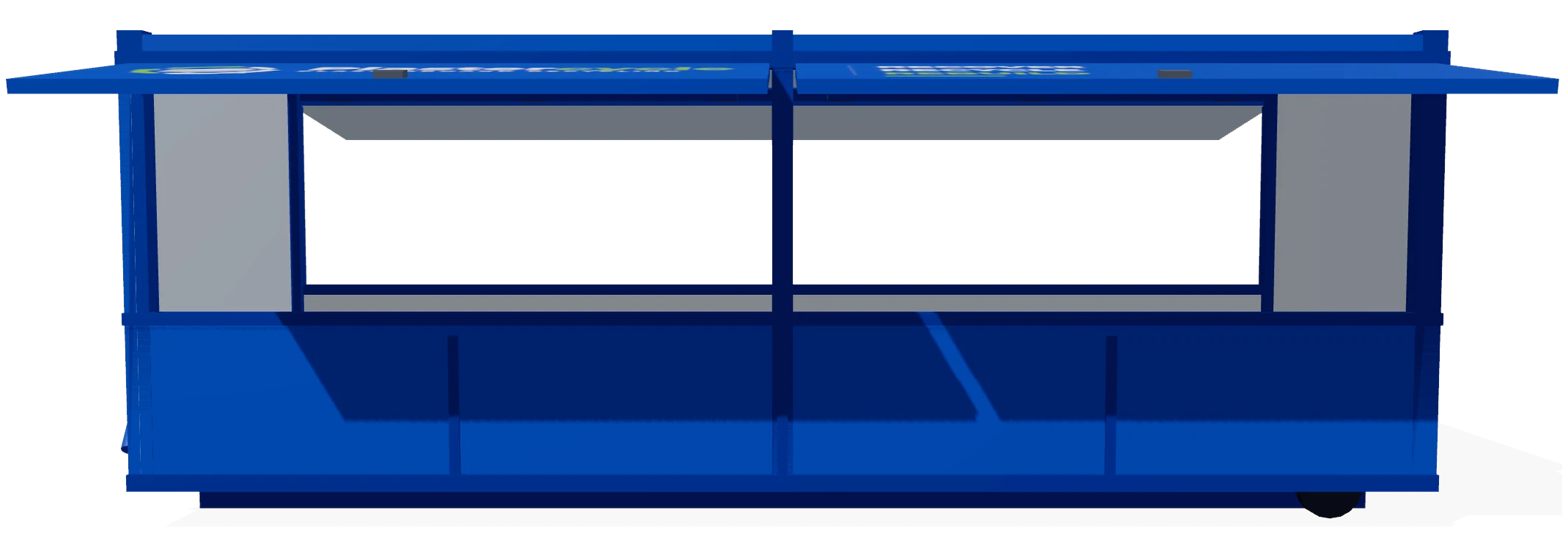
- We drop the bin where the plasterers are working, before the first sheets go up.
- Offcuts go straight in through the side panel — no carrying to a skip at the gate.
- Panels shut at knock-off. Rain stays out, so does everyone else’s rubbish.
- Full? We swap it. You tell us, we book the truck and bring an empty one.
The plasterboard doesn’t go into your general skip, which is lighter and cheaper to tip, and you have a recycling destination to write into the waste plan.
What goes in
Offcuts, part sheets, damaged and surplus sheets, cornice. Pull the screws and keep the timber and insulation out. The full list.
What goes in, what stays out
Goes in the bin
- Plasterboard offcuts and part sheets
- Whole sheets that are damaged or surplus
- Standard, fire-rated and moisture-resistant boardsource
- Plaster cornice
- Board removed from walls and ceilings, if it’s clean and you’re sure it isn’t fibro
Pull out screws, nails and timber where you can. Clean, separated board is what makes it recyclable.
Stays out
- Fibro, or any sheet that might contain asbestos
- Foil-backed board and board with insulation bonded to itsource
- Board with lead paint
- Tiles, timber, metal, insulation batts, plastic wrap
- Concrete, bricks, soil and general rubbish
- Liquids, paint tins and hazardous waste
For the lunchroom wall
Print the site flyer and the bin sign. Everyone on the job sees what the blue bin is for.
Questions
How much room does it take on site?
The bin is 6.3 m long and 2.45 m wide, and a hook-lift truck needs a straight run up to the hook end to drop and pick it up. If you’ve had a hook bin on the job before, it’s the same deal.
Can it go behind the hoarding?
If a hook-lift truck can get to it, yes. Tell us about access and we’ll work out the spot with you.
Can my plasterers break sheets into it?
Yes — the loading opening starts about a metre off the ground, so offcuts go straight in without climbing. Broken board packs tighter, so each load holds more.
What if someone puts rubbish in it?
Then it isn’t recyclable any more. Keep the panels shut when it isn’t being loaded, put the sign on it, and make it the only bin anyone is allowed to put board in. One material, one bin.
Does it count in my waste management plan?
Councils that require a waste management plan ask where each material will go. Plasterboard with its own recycling destination is exactly what they want to see — use the wording on the resources page.
Get a bin on the job before the first sheet goes up.
Tell us the site, the start date and roughly how much board is going in. We’ll come back with a plan and a quote.